
Hearing impairment is a serious medical and social problem that significantly affects patients' quality of life, communication skills and professional activities. Timely diagnosis of hearing disorders and the right choice of rehabilitation method play a key role in preventing the progression of hearing loss and social maladjustment.
Specialists from the National Medical Research Centre for Otorhinolaryngology of the Federal Medical Biological Agency of Russia undertook to study the possibilities of correcting hearing disorders using modern technologies implemented in Aurica hearing aids, including an analysis of their effectiveness for various degrees of hearing loss and the characteristics of patient adaptation. The centre conducted a study examining the use of modern hearing aids as an effective means of rehabilitation for patients with hearing impairment. Particular attention was paid to a comprehensive approach, including accurate audiological diagnosis, individual selection of technical devices, and assessment of their effectiveness over time.


Photo archive of the National Medical Research Centre for Otorhinolaryngology of the Federal Medical Biological Agency of Russia.
The results are published in the international scientific and practical journal Eurasian Otorhinolaryngology and Audiology. The authors of the article are Anton Machalov, MD, PhD, head of the NMIC, and Olga Bragina, MD, audiologist at the centre.
The findings of the study emphasise the importance of early detection of hearing disorders and justify the need for a personalised approach to selecting the optimal method of hearing rehabilitation to achieve maximum clinical effect.
Materials and methods
 Materials and methods
Eight people aged 56–78 with chronic bilateral sensorineural hearing loss of grade II–IV participated in the study, three of whom had previously used hearing aids from other manufacturers.
The hearing aid selection process began with a comprehensive hearing assessment by an audiologist-otorhinolaryngologist, including acoustic impedance measurement and pure-tone threshold audiometry. Based on the results, recommendations were made regarding the technical characteristics of the hearing aids (Fig. 1).
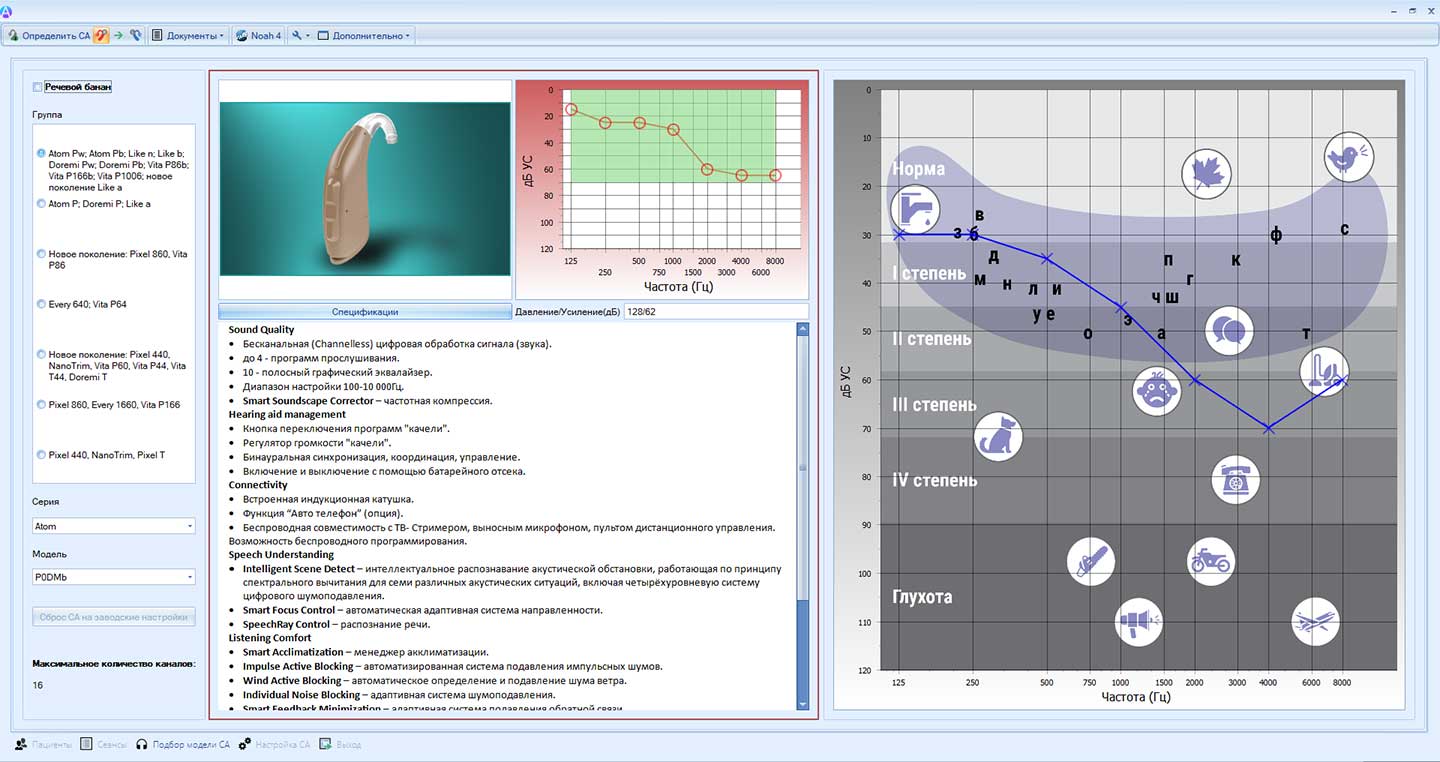
It is important to remember that each hearing aid is unique and is selected individually based on the results of an audiological examination, the needs, preferences and lifestyle of each patient.
ATOM technological capabilities
 ATOM technological capabilities
Aurica's ATOM hearing aids offer a variety of technical capabilities designed to improve sound perception and adapt the device to the individual needs of the user. They include modern sound processing algorithms, which make them effective even in challenging acoustic environments.
In addition, the hearing aid adjustment system allows you to individually select the number and type of acoustic programmes depending on the needs of each patient, which are activated depending on the sound environment. The user can select modes for conversations in noisy places, watching television or listening to music. These modes include noise reduction, directional microphone and automatic volume control functions.
Research results
 Research results
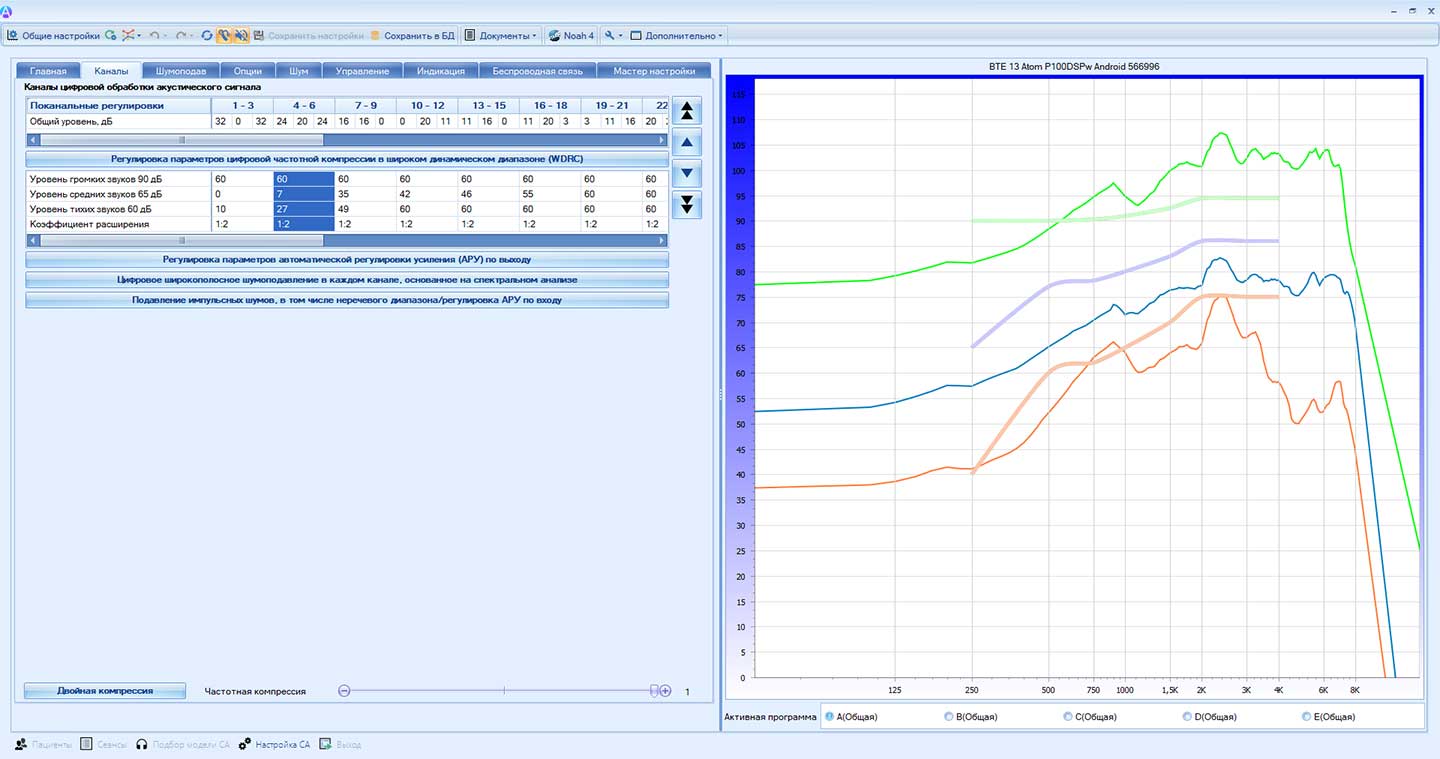
Based on the results of the audiological examination, initial adjustment of the ATOM hearing aids manufactured by Aurica was performed (Fig. 2).
To assess the effectiveness of hearing prosthetics, speech audiometry was performed in a free sound field before hearing prosthetics and during initial adjustment, in silence and against background noise. Russian speech tests were used as speech material. The percentage of correctly reproduced speech material was determined when 20 words were presented at a level of 65 dB SPL. Table 1 shows the results of speech audiometry in a free sound field before and after acoustic hearing correction (initial adjustment), in silence and in a noisy environment.
Speech intelligibility %
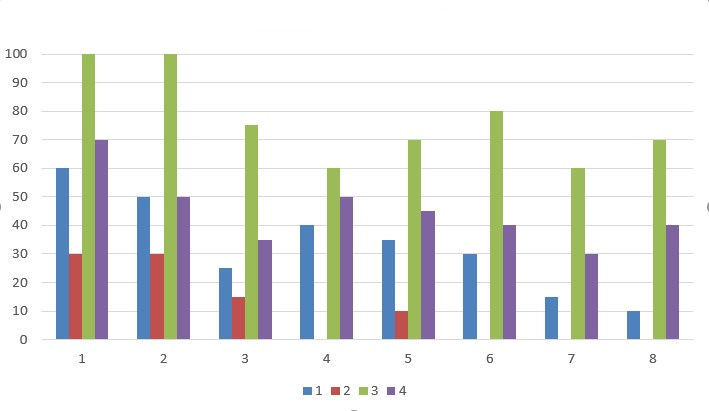
The results of speech audiometry in a free sound field (Table 1) are as follows: the average speech intelligibility at a signal intensity of 65 dB UZD in silence before adjusting hearing aids in patients with grade II hearing loss was 42%, while when using hearing aids adjusted according to the characteristics of the hearing impairment, sound perception increased to 81%; in patients with grade III hearing loss: before hearing aid fitting — 22.5%, after — 70%; with grade IV hearing loss — 10% and 70%, respectively.
When conducting the study in a noisy environment, speech perception and intelligibility before hearing aid fitting in patients with grade II hearing loss was 17%, while with the use of hearing aids it increased to 50%; in patients with grade III and IV hearing loss, speech intelligibility in noisy acoustic environments was 0% before hearing aid fitting, and immediately after — an improvement to 35% and 40%, respectively.
In four patients, according to the results of pure tone audiometry, the predominant hearing loss was in the high frequencies. To improve speech intelligibility in these cases, the Smart Soundscape Corrector function was activated (Table 2).
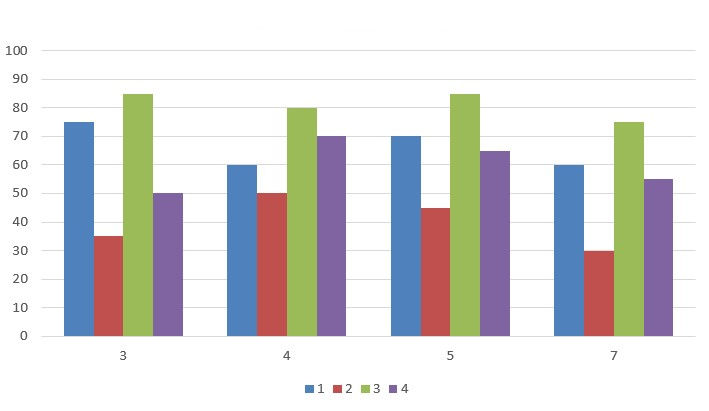
Thus, the average speech intelligibility in quiet before SSC activation was 66.25%, in noise – 40%, after – 81.25% and 60%, respectively.
Three patients, in addition to hearing loss, complained of tinnitus. During the initial fitting of hearing aids, one patient noted the absence of subjective noise and a comfortable level of sound perception when using hearing aids. The Tinnitus SoundHelp function was used for two patients, and a slight reduction in their own noise was noted.
Expert conclusions
 Expert conclusions
A study conducted at the National Medical Research Centre for Otorhinolaryngology of the FMBA of Russia involving eight patients confirmed that prosthetics with modern digital hearing aids ‘Atom’ from the Russian manufacturer ‘Aurika’ have a significant positive effect on various aspects of the lives of people with hearing impairments. First of all, an improvement in sound perception was noted — patients began to distinguish speech better, especially in noisy environments, and also hear surrounding sounds more clearly, which contributes to increased safety and spatial orientation.
An important result was an increase in speech intelligibility, which is particularly significant for social adaptation. This, in turn, had a positive effect on psychological comfort — many patients reported reduced anxiety and increased self-confidence.
The impact of modern technologies implemented in Atom hearing aids on their ease of use deserves special attention. Participants highly appreciated the ability to connect wirelessly to smartphones, which allows them to directly stream phone calls, music and audio content. Mobile applications for configuring the hearing aids under study also received positive feedback: patients noted the ease of adjusting the volume and programmes for different acoustic conditions.
Thus, hearing aids not only restore hearing function, but also comprehensively improve quality of life, promoting socialisation, psychological well-being and more active participation in everyday activities.